About Electrical Conduit Pipes
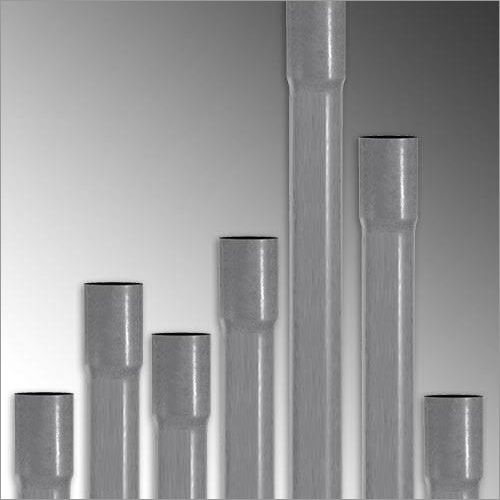
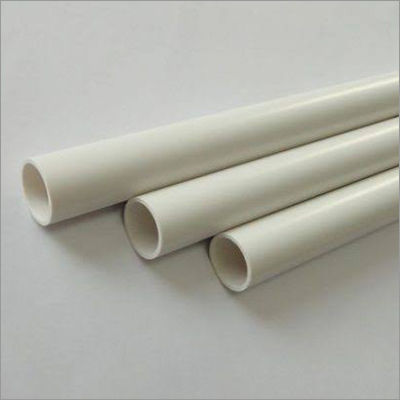
Electrical conduit pipes are great for protecting the electrical wires and cables in all kinds of facilities. The protection is given from mechanical damage, corrosion and fire. Rigid PVC is used for making these electrical conduit pipes. The non-metallic conduit is not damage by external elements, like air, water and dust. The light in weight pipes are versatile, economical, light weight and easy to install. In order to create the system, conduit fittings are used along with the pipes.
Durability and Safety FeaturesThese PVC conduit pipes are crafted for long-lasting electrical protection, boasting self-extinguishing fire resistance, high resistance to UV and corrosion, and the ability to operate reliably in temperatures ranging from -10C to +60C. Their construction ensures safety in various environments and compliance with both Indian and international standards.
Versatile ApplicationsSuited for use in commercial, industrial, and residential buildings, these conduits offer flexibility with options for rigid or flexible types, socket or threaded connections, and round shapes. They are ideal for surface-mounted or concealed installations, supporting a wide array of electrical wiring projects across sectors.
FAQs of Electrical Conduit Pipes:
Q: How are PVC electrical conduit pipes installed for optimal wiring protection?
A: PVC electrical conduit pipes can be installed either surface-mounted or concealed within walls or ceilings. The installation process involves cutting the pipe to the required length, fitting it with plain or threaded ends, and connecting pipes using sockets or threaded joints to ensure a secure fit for electrical wiring protection.
Q: What makes these PVC conduit pipes suitable for use in both indoor and outdoor applications?
A: These conduit pipes are crafted from high-impact PVC, offering excellent UV and corrosion resistance, along with a self-extinguishing fire property. This combination makes them reliable for a variety of indoor and outdoor installations, protecting wiring from environmental and chemical hazards.
Q: When should I choose rigid versus flexible PVC conduit pipes?
A: Rigid PVC conduits are ideal for straight runs and structural installations where durability is paramount, while flexible types are better suited for navigating around bends and corners or in areas where movement or vibration may occur in the conduit systems.
Q: Where are these PVC conduit pipes typically used?
A: These pipes are widely used in commercial, industrial, and residential buildings throughout India and international markets. They protect electrical wiring in walls, ceilings, and exposed locations, depending on project requirements.
Q: What is the process for connecting PVC conduit pipes during installation?
A: Connection is achieved using socket-type fittings or threaded joints, depending on the pipe end. Optional PVC end caps can be used to seal the pipe, ensuring safety and preventing ingress of dust or moisture. Proper alignment and tolerance (0.3 mm) are maintained for a secure fit.
Q: What benefits do these electrical conduit pipes provide in terms of safety and compliance?
A: They offer self-extinguishing fire resistance for enhanced safety, high corrosion and UV resistance for long-term durability, and comply with major standards such as IS 9537 and BS EN 61386, ensuring reliable performance and adherence to industry regulations.








 Send Inquiry

 Send Inquiry